
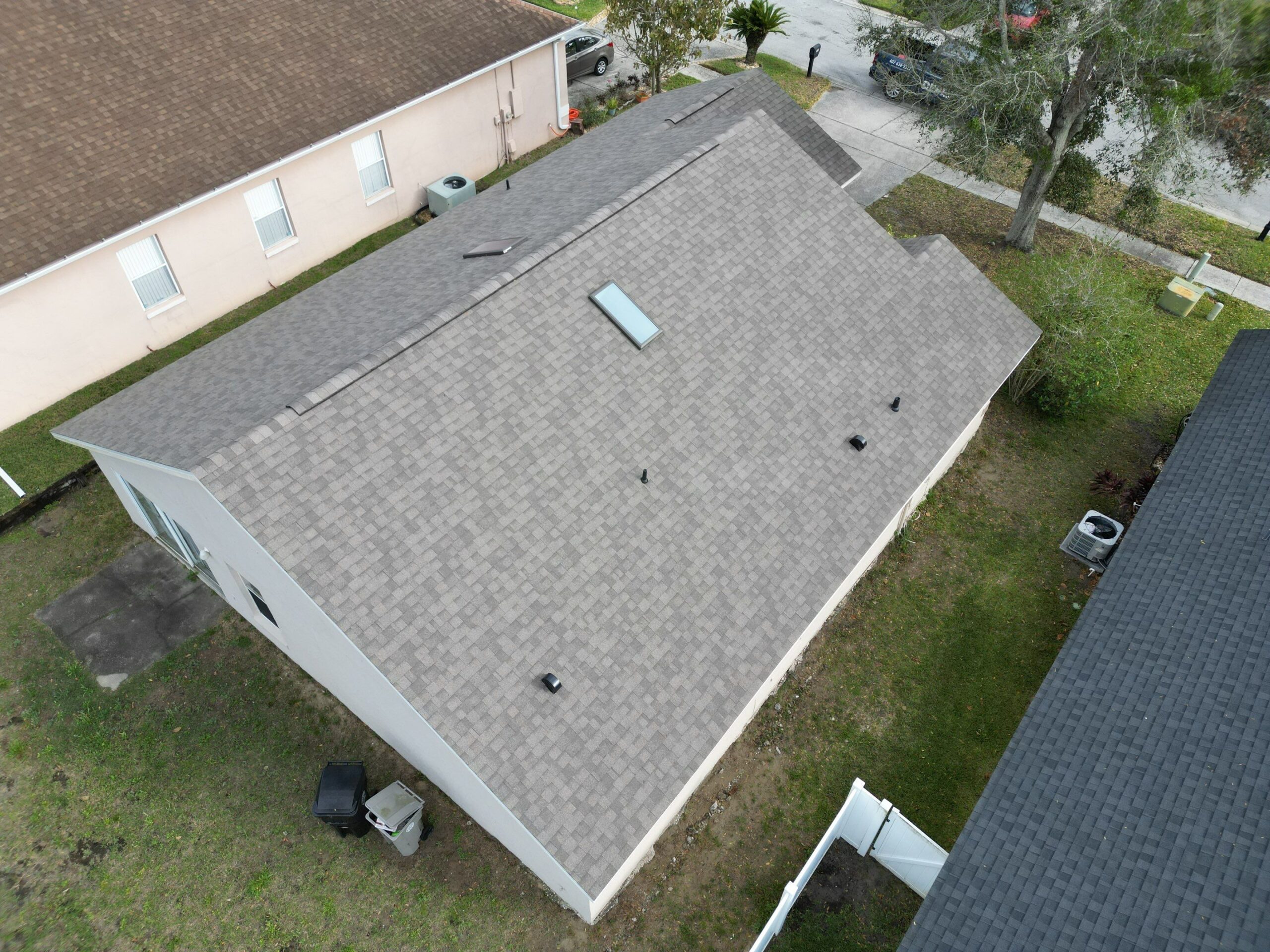
Upgrading your roof no longer means tearing everything off and starting from bare decking. In 2026, more homeowners are choosing to install metal roofing directly over existing shingles to reduce labor costs, minimize landfill waste, and speed up project timelines.
If you’ve been researching how to install metal roofing over shingles, this guide walks you through the modern process, updated best practices, and key considerations to ensure long-term performance. Understanding the correct steps ensures your new roof delivers maximum durability and protection.
Why Install Metal Roofing Over Existing Shingles?
Before diving into the process, it helps to understand why this approach has become increasingly popular.
Key Advantages
- Lower labor costs (no full tear-off required in many cases)
- Faster installation timeline
- Reduced disposal fees
- Additional insulation layer
- Minimal disruption to the home
That said, this method isn’t appropriate for every roof. Structural integrity and local building codes must always be verified first.
If you’re comparing materials before making a decision, reviewing the differences between metal roofing systems and traditional shingle roofing systems can help clarify which solution best fits your home.
Step 1: Confirm Building Codes and Structural Capacity
Not every roof qualifies for a metal-over-shingle installation. Start by checking:
- Local building regulations (some areas limit roof layers)
- HOA guidelines (if applicable)
- Weight-bearing capacity of the roof framing
- Condition of existing shingles
When You Should Not Install Over Shingles
Avoid this method if:
- The decking is soft or rotted
- There are multiple shingle layers already installed
- The roof structure shows sagging
- Moisture damage is present beneath the shingles
Metal panels are lightweight, but underlying damage must be corrected before proceeding.
Step 2: Inspect and Prepare the Existing Roof Surface
Proper preparation determines whether your new roof lasts 15 years or 50+ years.
What to Look For
- Loose or curled shingles
- Raised nails
- Soft decking areas
- Ventilation issues
Remove protruding fasteners and secure any loose areas. The surface doesn’t need to look perfect, but it must be stable and even.
In many 2026 installations, contractors use a synthetic underlayment over the shingles to improve moisture resistance and create a smoother base.
Step 3: Install Furring Strips (If Required)
While some metal roofing systems can be installed directly over shingles, adding furring strips (also called purlins) is often recommended.
Why Furring Strips Help
- Create a ventilation space between layers
- Improve energy efficiency
- Provide a flat, consistent mounting surface
- Reduce condensation risk
These wooden strips are typically installed horizontally across the roof, secured to rafters or trusses.
Spacing depends on the metal panel type, but 24 inches on center is common.
Step 4: Install Underlayment or Moisture Barrier
Modern best practices in 2026 emphasize moisture management.
A high-quality synthetic underlayment:
- Blocks wind-driven rain
- Adds secondary leak protection
- Reduces abrasion between shingles and metal
Some installers also add ice and water shields at eaves and valleys, particularly in colder climates.
Step 5: Install Drip Edge and Flashing
Before laying panels, secure perimeter components:
- Drip edge along eaves
- Rake trim along roof edges
- Valley flashing where slopes meet
- Chimney and vent flashing
Proper flashing prevents water intrusion at transition points the most common source of leaks.
Skipping this step can undermine the entire installation.
Step 6: Position and Fasten Metal Panels
Metal panels are installed from the bottom edge upward, overlapping each row to shed water properly.
Important Installation Practices
- Align panels square to the roofline
- Follow the manufacturer’s fastener spacing requirements
- Use screws with rubber washers
- Avoid overtightening fasteners
Standing seam systems differ slightly from exposed fastener panels. Standing seam panels lock together with concealed clips, providing a sleek appearance and enhanced durability.
For best results, rely on professional installation by experienced contractors who specialize in metal roofing to ensure panels are properly aligned and secured.
Step 7: Install Ridge Caps and Final Trim
The final stage includes:
- Ridge caps at roof peaks
- Closure strips to block insects and debris
- Ventilation components (if required)
Ridge ventilation is particularly important when installing metal over shingles, as trapped heat and moisture can reduce roof lifespan.
Tools Typically Required
While professionals bring specialized equipment, here’s a general overview:
- Measuring tape
- Chalk line
- Metal cutting snips or a power shear
- Screw gun with adjustable torque
- Ladder and fall protection equipment
Safety should always be a priority. Roof work carries fall risks, especially on steep slopes.
Cost Expectations in 2026
The cost of installing metal roofing over shingles varies depending on your roof’s size, pitch, and complexity, as well as the type of metal panels and underlayment used. Overall, this method typically costs less than a full roof tear-off because it eliminates labor and disposal fees associated with removing existing shingles.
Factors that influence pricing include:
- Roof size and shape: Larger or more complex roofs require more materials and time.
- Panel type and finish: Standing seam panels and premium coatings may increase the investment.
- Underlayment and flashing requirements: Adding moisture barriers or special flashing in valleys and eaves can affect costs.
- Labor and accessibility: Roofs with steep slopes or limited access may require additional labor considerations.
Working with experienced roofing professionals ensures accurate estimates, proper installation, and long-term performance. For a personalized consultation and detailed estimate, contact Dehlinger.
Common Mistakes to Avoid
Even experienced roofing teams can overlook critical details. Here are frequent errors to watch for:
- Ignoring ventilation requirements
- Installing over damaged decking
- Using incorrect fasteners
- Failing to align panels properly
- Not sealing roof penetrations correctly
Metal roofing can last 40–70 years when installed correctly, but shortcuts dramatically reduce lifespan.
Final Thoughts: Is Installing Metal Over Shingles Worth It?
Learning how to install metal roofing over shingles reveals a practical, cost-efficient alternative to full roof removal, but only when conditions are right.
When done correctly, this method offers:
- Long-term durability
- Energy efficiency improvements
- Lower maintenance requirements
- Enhanced curb appeal
However, structural assessment and professional installation are non-negotiable.
If you’re considering upgrading your roof and want expert guidance, the team at Dehlinger can help evaluate your options and perform the installation with precision. You can request more information or schedule a consultation here: Contact Dehlinger
Upgrading your roof is a major investment. With the right preparation and professional expertise, installing metal roofing over shingles in 2026 can deliver decades of protection and performance.
