
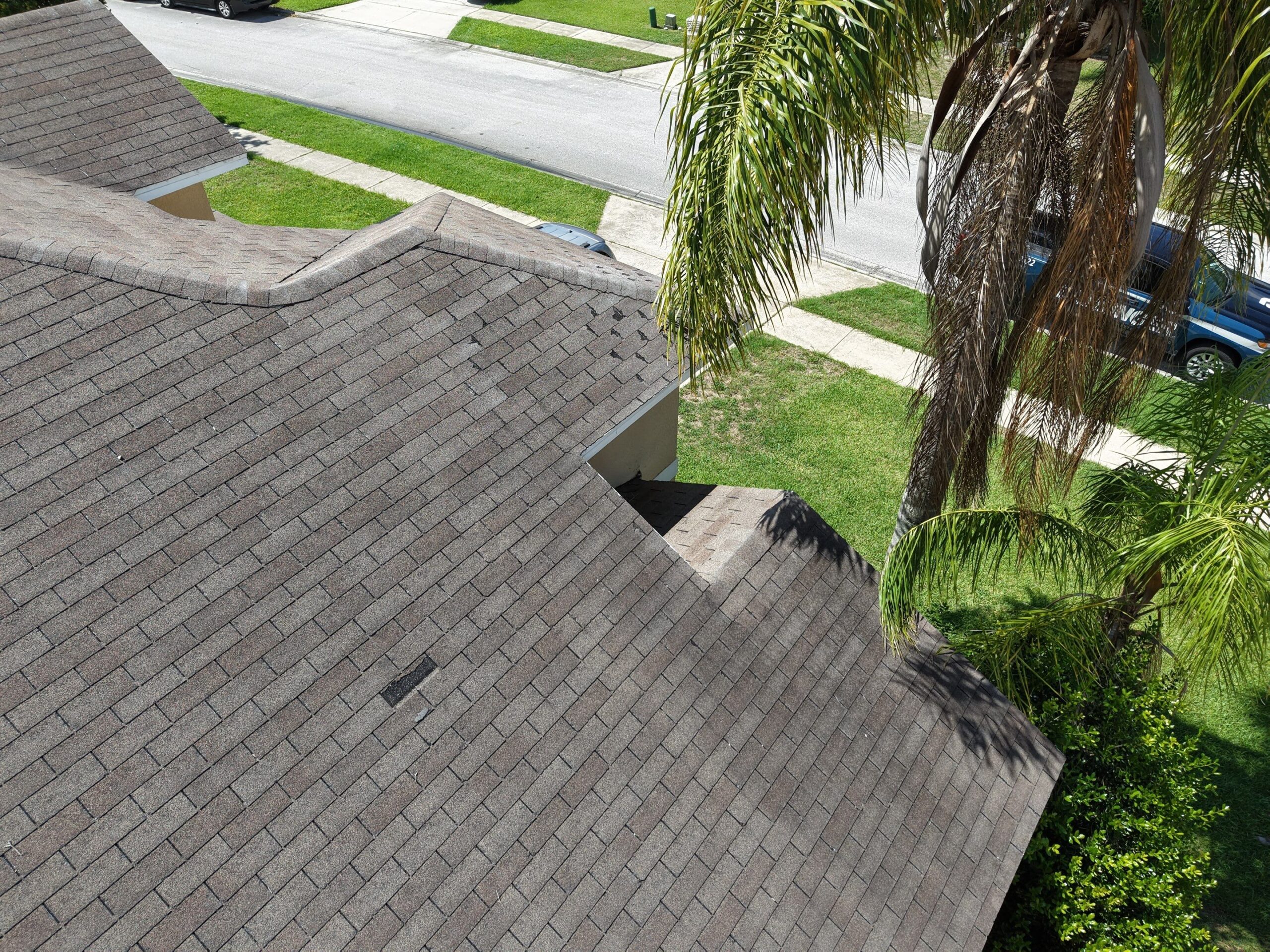
Many homeowners schedule roof inspections without fully understanding what actually happens during the process. Some expect a quick glance from the ground, while others assume inspectors only look for obvious leaks. In reality, professional roof inspection services involve a detailed evaluation designed to uncover hidden risks before they turn into costly repairs. Whether you are preparing for storm season, buying or selling a home, or simply being proactive, knowing what inspectors actually examine helps you make smarter decisions and protect your investment.
Why Roof Inspection Services Matter More Than Most Homeowners Realize
Your roof is constantly exposed to Florida’s heat, rain, wind, and humidity. Damage does not always announce itself through visible leaks or missing materials. Small issues can develop quietly and worsen over time. Professional roof inspection services identify early warning signs that may not yet affect your interior but could compromise the structure if ignored. Routine inspections also provide documentation that supports maintenance planning and insurance claims.
Step 1: Exterior Roof Surface Evaluation
The inspection begins with a close review of the roof’s exterior surface. Inspectors examine roofing materials for cracks, displacement, impact damage, and uneven sections that may signal stress beneath the surface. This step helps determine whether the roof is aging normally or showing signs of premature wear that require attention.
Step 2: Roofing Material Condition and Aging Assessment
Different roofing materials deteriorate in different ways. Roof inspection services assess how well your specific system is performing based on material type, installation quality, and age. Inspectors look for surface breakdown, loss of protective layers, brittleness from heat exposure, and weather-related fatigue. Understanding this condition helps homeowners plan repairs before failure occurs.
Step 3: Flashing and Seal Integrity Review
Flashing protects critical transition points where the roof meets vents, chimneys, skylights, and walls. These areas are common sources of leaks. Inspectors evaluate flashing for corrosion, separation, failed sealants, and improper installation. Even a strong roofing system can fail if flashing is compromised, making this step essential to long-term performance.
Step 4: Drainage and Water Management Inspection
Water that does not drain properly accelerates roof deterioration. Roof inspection services include evaluating gutters, downspouts, and water flow patterns to ensure moisture moves away from the roof efficiently. Inspectors also look for pooling areas and overflow damage that can affect both the roof and the home’s exterior.
Step 5: Attic and Interior Structural Examination
A thorough inspection goes beyond what is visible outside. Inspectors enter the attic to check for moisture stains, mold growth, weakened decking, and insulation issues. Interior indicators often reveal long-term problems that have not yet surfaced on the roof exterior, allowing repairs to be addressed early.
Step 6: Ventilation and Airflow Evaluation
Proper airflow is critical to roof health. Poor ventilation traps heat and moisture, accelerating material breakdown and increasing energy costs. Roof inspection services assess intake and exhaust balance, blocked vents, and signs of heat buildup. Correcting ventilation issues can significantly extend roof lifespan.
Step 7: Identifying Risk Areas and Repair Priorities
After evaluating all components, inspectors identify immediate concerns and potential future risks. This includes areas requiring urgent repair, sections that should be monitored, and maintenance recommendations. Homeowners gain clarity on what needs attention now versus what can be planned for later.
Step 8: Inspection Documentation and Professional Guidance
A professional roof inspection includes clear documentation outlining findings and recommendations. This report is useful for budgeting, resale planning, and insurance discussions. Homeowners who want guidance on next steps can schedule a roof inspection directly with Dehlinger to review their results with an experienced roofing professional.
When Roof Inspection Services Are Especially Important
Roof inspections are particularly valuable after severe weather, before purchasing a home, when preparing to sell, or when filing insurance claims. Proper documentation strengthens claims and ensures damage is accurately recorded. Homeowners navigating storm-related issues can also benefit from Dehlinger’s insurance claim support to simplify the process.
The Value of Choosing Professional Roof Inspection Services
Roof inspections require training, experience, and attention to detail. Professional roof inspection services go far beyond surface-level observations. They provide actionable insight that helps homeowners reduce long-term costs, prevent structural damage, and maintain roof performance.
Schedule Roof Inspection Services With Confidence
Understanding what a roof inspection service really looks for empowers homeowners to take proactive steps toward protecting their property. From exterior materials to interior structures and ventilation, every component plays a role in roof performance. Regular inspections help address issues early and keep your home protected year after year. To get started, contact Dehlinger today and schedule professional roof inspection services with confidence.
