
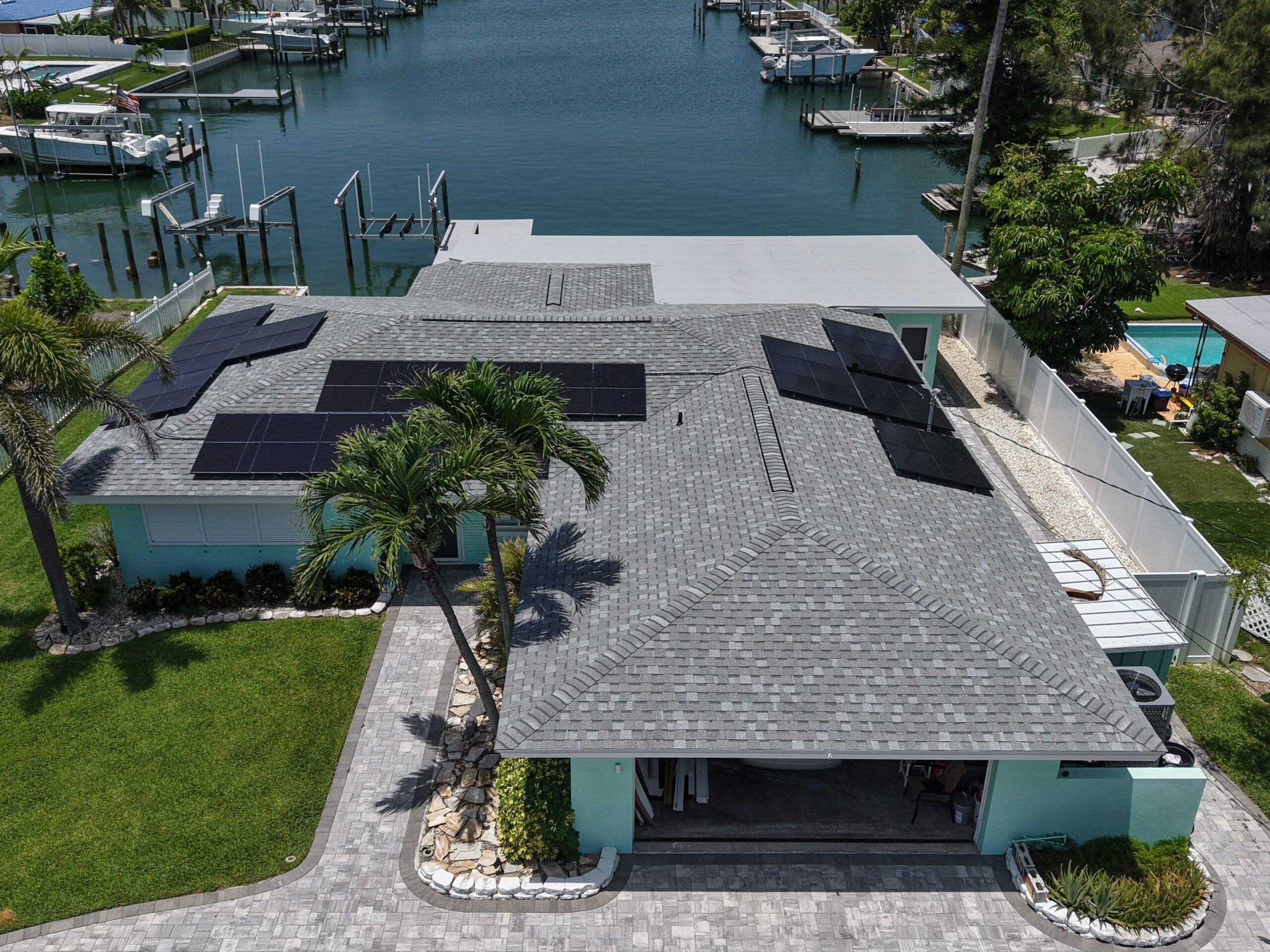
A strong storm can leave behind more than fallen branches in the yard. When a limb strikes the roof, or a tree falls directly onto the structure, the damage may extend far beyond what is visible from the ground. Cracked shingles, punctured decking, damaged flashing, and hidden water intrusion can all develop after impact.
For Florida homeowners, acting quickly matters. The team at Dehlinger Construction helps property owners evaluate storm damage, understand the condition of their roof, and determine the right repair approach before a small issue turns into a larger problem.
Why Tree Damage Should Never Be Ignored
Even a smaller branch can create roofing problems. A direct impact may loosen shingles, crack tiles, dent metal panels, or damage the protective layers beneath the visible surface. In other cases, the roof may appear intact while moisture slowly enters through a small opening.
Tree damage to roof materials can also affect surrounding areas. Water may travel beneath shingles, reach the decking, and eventually spread into insulation or drywall. That is why a professional inspection is important after a major storm, even if there are no obvious leaks inside the home.
Common Types of Roof Damage Caused by Trees
Tree damage repair depends on where the impact occurred and how deeply it affected the roofing system. Some problems are immediately visible, while others require a closer look.
Common issues include:
• Missing, cracked, or lifted shingles
• Punctures caused by falling branches
• Bent flashing near vents, valleys, or roof edges
• Damaged gutters and drainage areas
• Soft spots in roof decking
• Water stains inside the attic or ceiling
• Structural damage caused by a larger fallen tree
Homes with asphalt shingle roofing systems may be especially vulnerable to lifted or broken shingles after strong winds. Once the outer layer is compromised, rain can reach the materials underneath.
What to Do After a Tree or Branch Hits Your Roof
The first priority is safety. Do not climb onto the roof after a storm. Wet surfaces, loose materials, and weakened sections can create serious hazards.
Instead, take the following steps:
1. Look for Immediate Safety Concerns
If a large tree has fallen onto the home, leave the affected area and contact the appropriate emergency professionals. Structural damage should always be treated carefully.
2. Check the Interior of Your Home
Look for ceiling stains, dripping water, damp insulation, or unusual sounds coming from the attic. These signs may indicate that the impact has created an opening.
3. Take Photos From the Ground
Document visible branches, roof damage, and exterior conditions when it is safe to do so. Photos can be helpful when speaking with a roofing contractor or insurance provider.
4. Schedule a Professional Roof Inspection
A roofing expert can determine whether the damage is limited to a small area or requires attention to a larger section of the roof. Dehlinger provides roof repair services for Florida homeowners affected by storms, leaks, and damaged roofing materials.
Repair or Replacement: Which One Is Needed?
Not every storm damage roof repair requires a full roof replacement. If the damage is contained to a few shingles or a small flashing issue, targeted repairs may restore protection.
Replacement may be more appropriate when:
• A tree has damaged the roof structure
• Water has reached multiple areas of the home
• Decking is punctured or weakened
• Large sections of shingles are missing
• The roof already had significant wear before the storm
A professional evaluation is the best way to determine the safest and most practical solution.
What About Insurance Coverage?
Homeowners’ insurance may cover tree damage caused by a sudden storm, but coverage depends on the policy, the cause of the damage, and the inspection findings. Hurricane damage roof repair claims often require clear documentation, photos, and a written assessment.
If you are preparing for storm season or trying to understand what your roof may need after severe weather, the Dehlinger blog includes practical resources to help you make a more informed decision.
Get Help After Tree Damage
Tree damage can cause roofing problems that worsen with each rainfall. A timely inspection can help identify hidden issues, prevent additional water intrusion, and clarify whether repair or replacement is needed.
If a tree or branch has damaged your roof, contact Dehlinger Construction to schedule an inspection and discuss the next step for your Florida property.
