
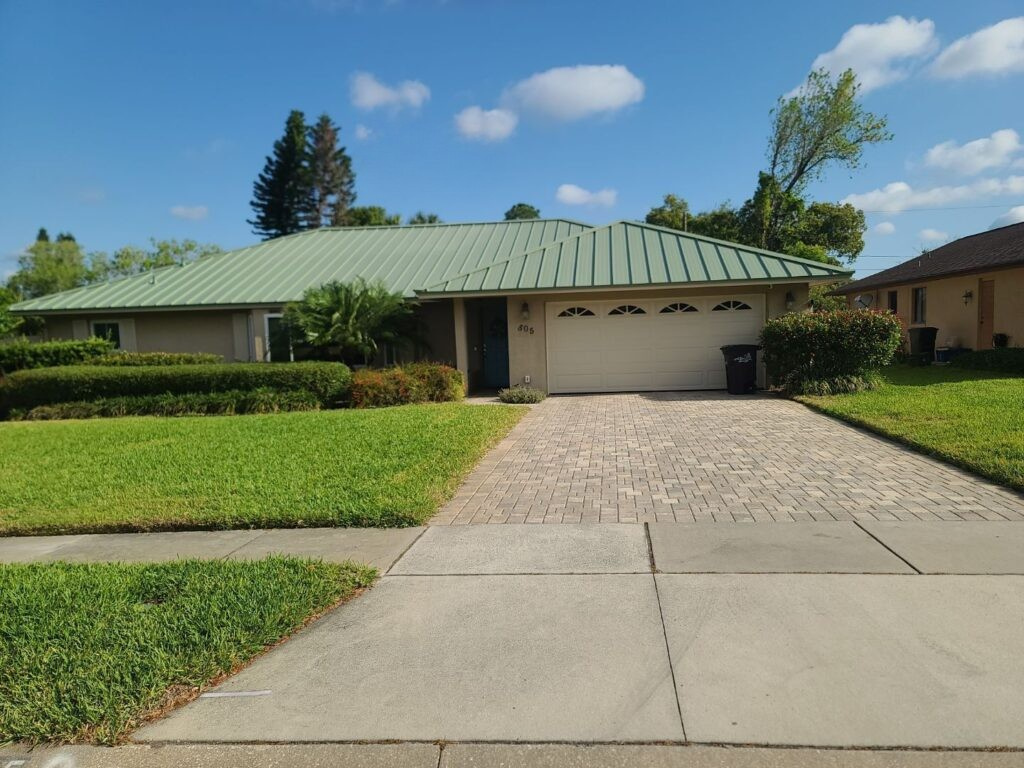
A roof may look like one permanent part of your home, but every roofing system has a service life. Eventually, exposure to sunlight, rain, wind, temperature changes, and everyday wear begins to affect its performance.
So, how long does a roof last? There is no single answer. The material matters, but so do installation quality, maintenance, ventilation, weather exposure, and the home’s surrounding conditions.
For Florida homeowners in particular, understanding these differences can help you plan ahead rather than waiting for a leak or major storm to force the decision.
Asphalt Shingle Roofs: Approximately 15–30 Years
Asphalt shingles remain a popular residential roofing option because they offer an approachable combination of cost, appearance, and performance.
Depending on the product and conditions, an asphalt shingle roof may last roughly 15 to 30 years. However, Florida’s intense sunlight, heat, humidity, and severe weather can affect how quickly shingles deteriorate.
Signs of aging can include:
- Curling, cracked, or missing shingles
- Excessive granule loss
- Exposed or deteriorating flashing
- Recurring leaks
- Sections that appear lifted or uneven
Quality matters from the beginning. Dehlinger’s shingle roofing systems give homeowners options designed to balance durability, appearance, and the demands placed on Florida roofs.
Metal Roofing: Often 40–70 Years
For homeowners thinking beyond the next couple of decades, metal deserves consideration. Depending on the metal, coating, installation, and environment, these systems can commonly remain functional for 40 to 70 years or longer.
The Metal Roofing Alliance identifies longevity as one of metal roofing’s major advantages. Metal also resists many problems associated with materials that absorb moisture or deteriorate more quickly under prolonged weather exposure.
That does not make metal maintenance-free. Fasteners, seams, flashing, coatings, and penetrations still need attention over time.
Dehlinger’s metal roofing options can help Florida property owners determine whether the longer expected service life makes sense for their home and budget.
Tile Roofing: 50 Years or More Is Possible
Tile has a reputation for longevity for good reason. A properly installed and maintained tile roof can potentially remain in service for 50 years or longer, although individual tiles, flashing, underlayment, and other components may require attention sooner.
Concrete and clay tiles are durable, but they are not indestructible. Impact can crack individual pieces, and problems underneath the visible tile layer may not be obvious from the ground.
Homeowners considering this material can explore Dehlinger’s tile roofing systems to better understand available options.
If you are weighing these options, here is a simple way to frame the decision. Shingles cost the least upfront and last the shortest amount of time. Metal costs more initially but may not need to be replaced for several decades. Tile sits somewhere in between on cost and often outlasts both. The right choice depends less on which material lasts longest and more on how long you plan to stay in the home and what your budget looks like right now.
Why Two Identical Roofs May Age Differently
Material is only part of the equation. The National Roofing Contractors Association emphasizes the importance of proper roof-system design, installation, inspection, and maintenance.
In Florida, several conditions can influence actual roof longevity:
Installation quality: Poor workmanship can shorten the useful life of otherwise high-quality materials.
Weather exposure: Hurricanes, tropical storms, wind-driven rain, and intense UV exposure create additional stress.
Ventilation: Excessive attic heat and moisture can contribute to roofing problems.
Maintenance: Catching damaged flashing, loose materials, drainage issues, or small leaks early can prevent more extensive deterioration.
Insurance claims: A roof repaired or replaced through a claim may follow a different maintenance timeline than one installed out of pocket. Understanding how that process works can help you plan ahead.
That is why you should never treat the age printed on a product specification as an expiration date.
Is Your Roof Near the End of Its Life?
Age provides context, but condition should drive the decision. A 20-year-old roof performing well may need something very different from a younger roof that has experienced significant storm damage.
If you’re unsure what your roof needs, Dehlinger’s roofing FAQs address common questions homeowners encounter when evaluating roofing work.
Ultimately, the best way to understand remaining roof life is to evaluate the actual system rather than relying on age alone. Dehlinger Construction works with Florida property owners to assess roofing conditions and identify practical options based on the property itself.
If your roof is showing its age, or you’re simply unsure where it stands, contact Dehlinger to have the roof evaluated before a small concern becomes a much larger project.
