
Get Your Roofing Estimate Now
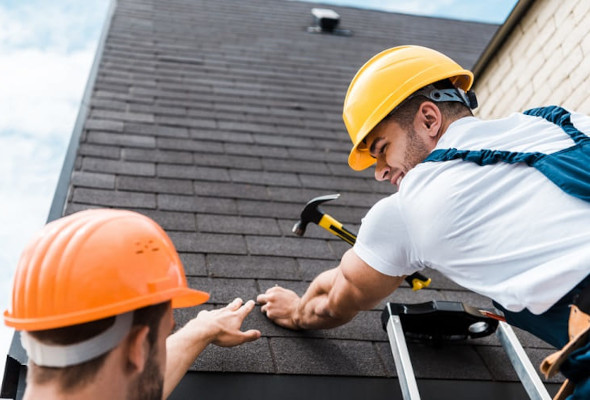

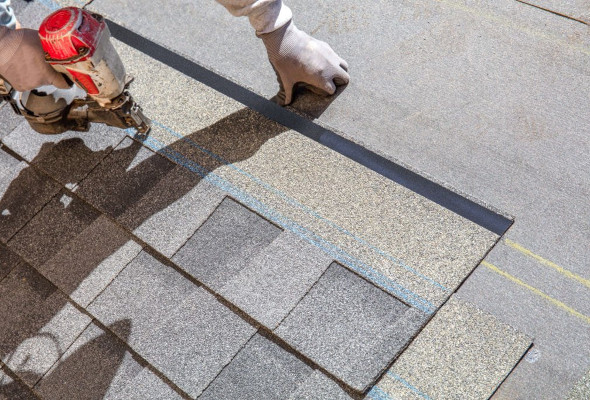
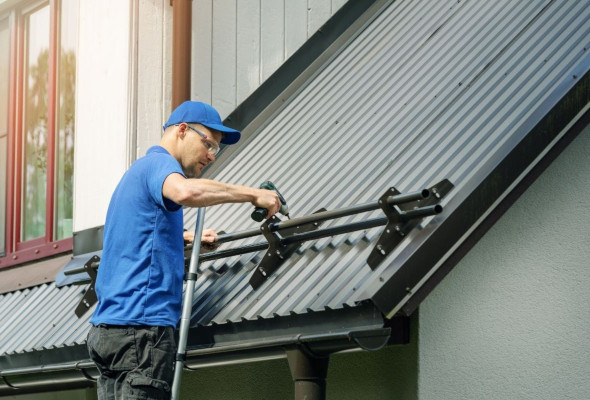
Roof lifespan in Daytona Beach depends heavily on sun exposure, ocean air, storm activity, and the quality of installation. Asphalt shingle roofs often last around 15 to 25 years, though coastal conditions can shorten that range without proper care. Metal roofs may last 40 to 70 years, especially with corrosion-resistant finishes. Tile roofs can last 50 years or more, but the underlayment should be inspected regularly in Florida’s humid climate.
For Daytona Beach homes, hurricane season performance depends on both material strength and proper installation. Metal roofing is often a strong option because it performs well in wind and rain when installed correctly. Tile roofs can also perform well, but they must be properly secured to meet Florida standards. High-quality architectural shingles with strong wind ratings may also be suitable. The best choice depends on your home’s structure, location, and maintenance history.
A repair may be appropriate when the damage is limited to one area, such as a small leak, a few missing shingles, or minor flashing issues. A full replacement may be needed if the roof has widespread deterioration, repeated leaks, storm damage across multiple sections, or signs of aging throughout the system. In Daytona Beach, wind and salt air can speed up wear, so a professional inspection helps determine the safest option.
Florida homeowners’ insurance requirements often depend on roof age, roof condition, and the rules of the individual insurance carrier. In Daytona Beach, insurers may pay close attention to older roofs because of storm exposure and coastal weather risks. Homeowners may be asked for inspection reports, proof of repairs, or documentation showing the roof is in acceptable condition. Keeping records of maintenance and previous roofing work can help avoid problems during renewals or claims.
Daytona Beach homeowners should have their roofs inspected once a year, plus after major storms, tropical systems, or high wind events. Coastal weather can cause hidden problems, especially around flashing, vents, roof edges, and drainage areas. Homes closer to the ocean may experience faster wear from salt air and moisture. Routine inspections help identify small concerns early before they turn into leaks or larger repair needs.
Insurance may cover roof repairs or replacement in Daytona Beach when the damage is caused by a sudden event included in the homeowner’s policy. Common examples include wind damage, hail, falling tree limbs, storm debris, or impact from severe weather. If a storm lifts shingles, damages flashing, or causes water intrusion through a sudden roof opening, the damage may qualify for coverage depending on the policy language and inspection results.
Insurance generally does not cover roof issues caused by normal aging, lack of maintenance, improper installation, or gradual deterioration. This distinction is important in Daytona Beach because coastal exposure can wear down roofing materials over time. If the roof was already in poor condition before the storm, the insurer may limit or deny coverage.
Homeowners should document damage as soon as it is safe to do so, maintain records of repairs, and schedule a professional roof inspection before making permanent repairs. A roofing contractor can help identify visible damage, provide photos, and prepare repair estimates. Final coverage decisions always depend on the insurance carrier, policy terms, deductible, and adjuster findings.
